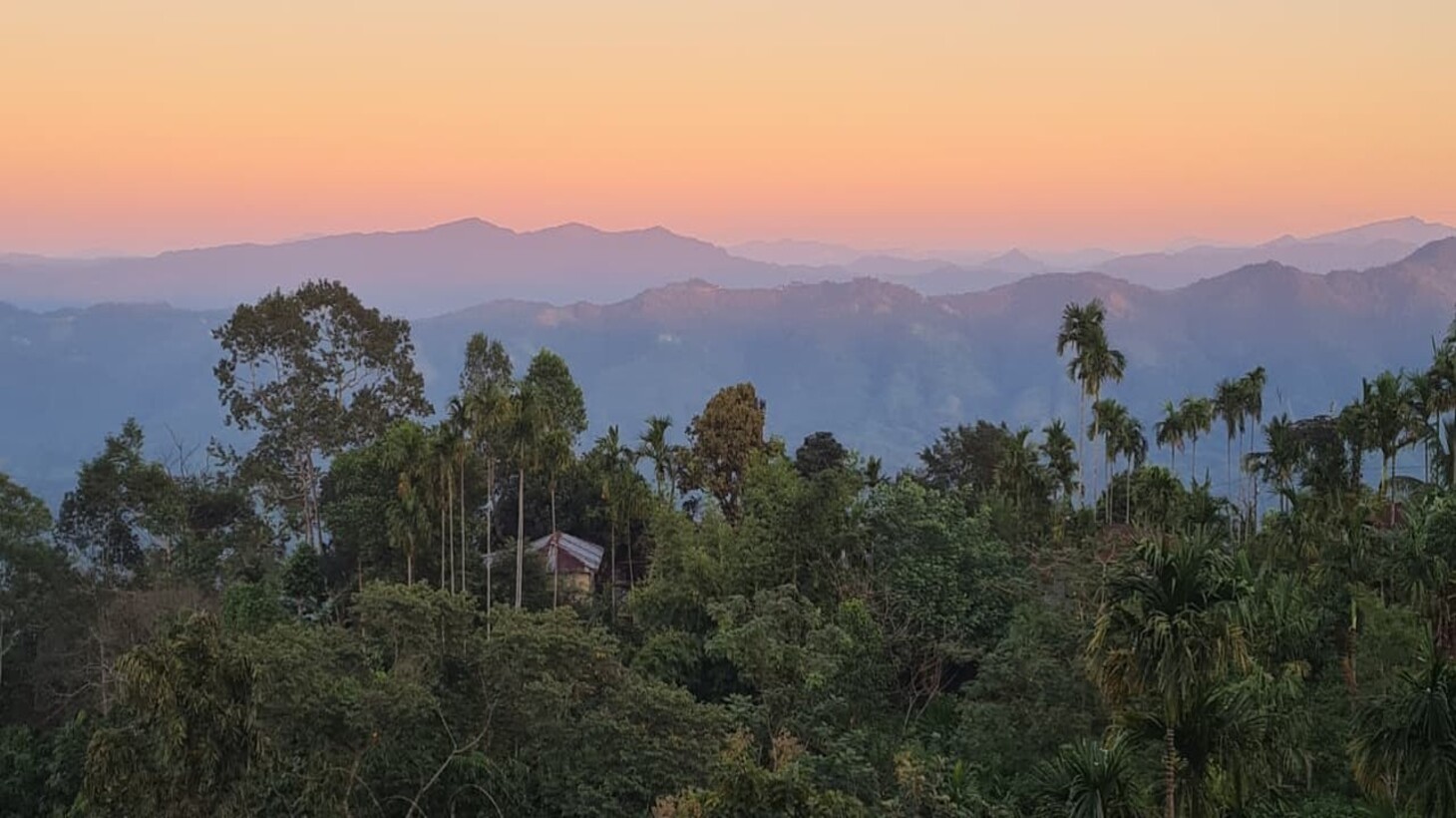
North East India is a tapestry of culture and ecology.

Often referred to as the’Eight Sisters,’ thisregion is one of the world’s most vibrant biodiversity hotspots. It is home to hundreds of indigenous communities, each witha unique heritage deeply interwoven with the land.

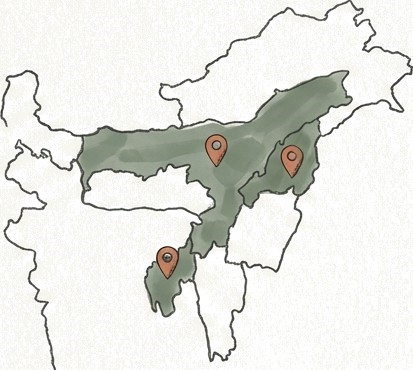
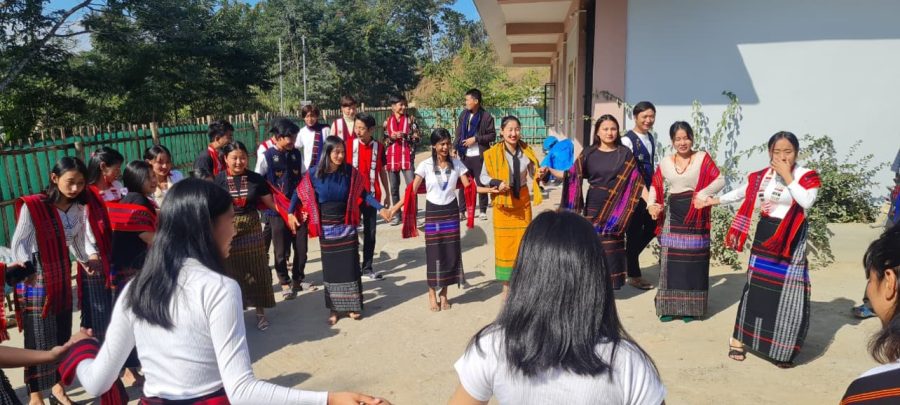
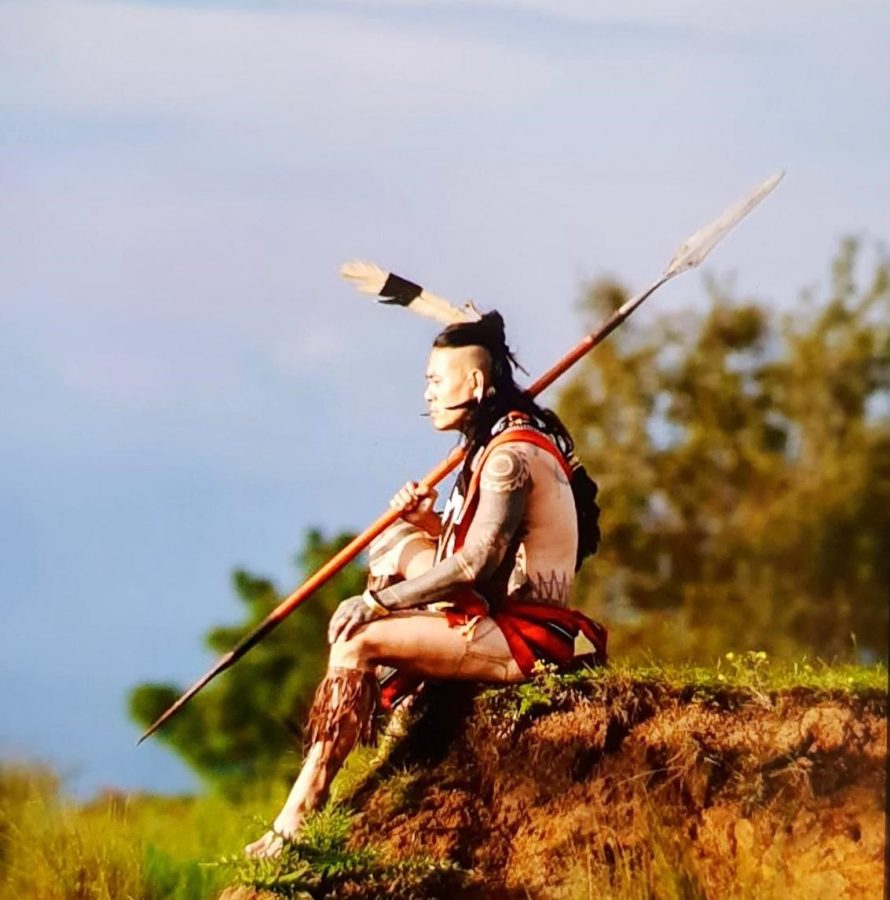
In Assam, tribes such as the Mising, Bodo, Karbi, and Dimasa; in Tripura, communities like the Reang, Tripuri, Chakma, and Halam; and in Nagaland, the Ao, Angami, Sumi, and Konyak tribes together embody a rich tapestry of indigenous heritage expressed through agriculture, weaving, bamboo craft, woodwork, festivals, and a deep reverence for nature.

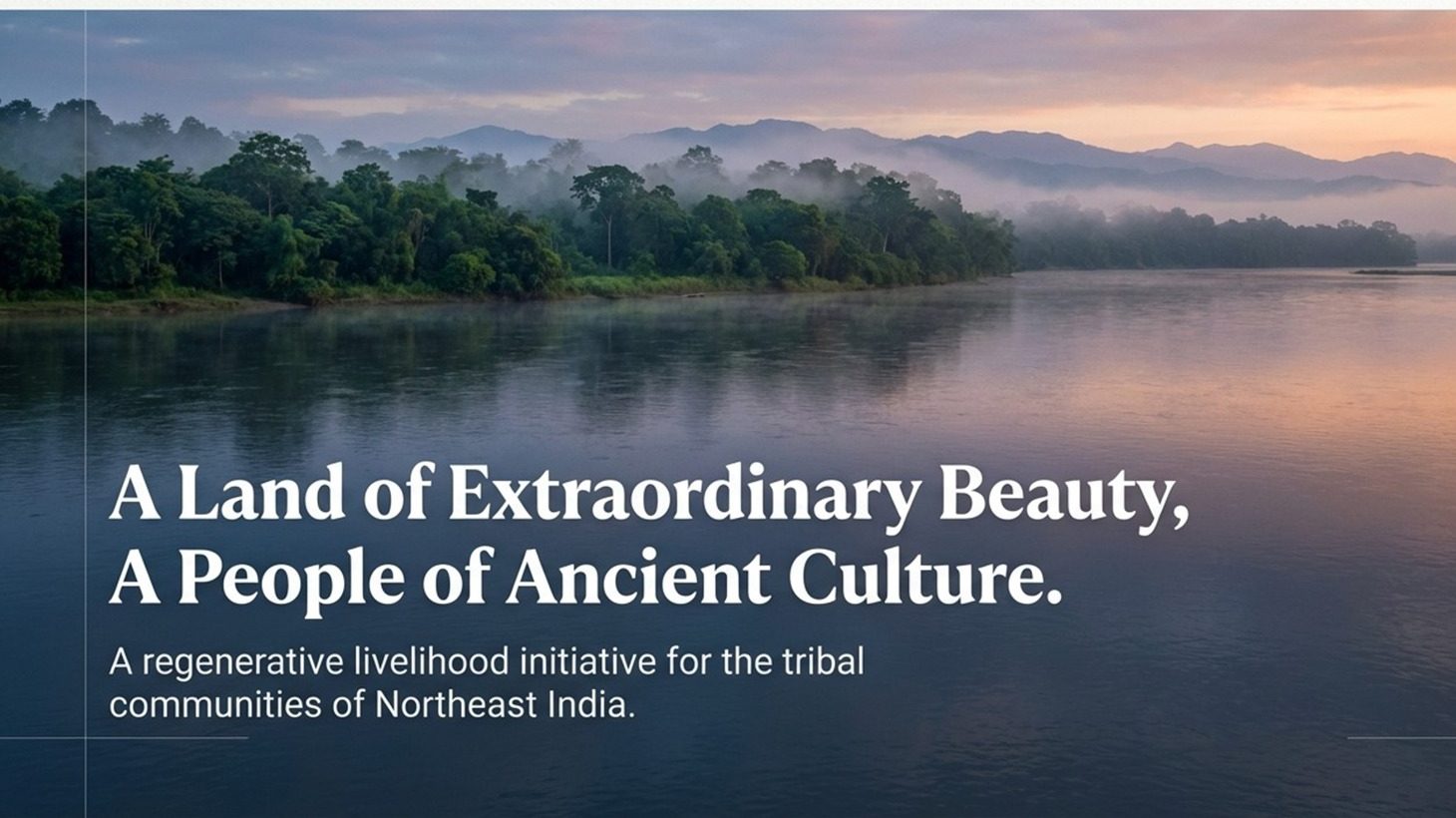
Collaborative Development with Mising, Naga & Reang Communities in north east

Our work is a collaborative journey with the indigenous communities of Northeast India, a region of profound cultural diversity and ecological significance. We partner with the Mising tribe in Asaam, the Naga people in Nagaland, and the Reang (Bru) community in Tripura.

Our approach is founded on the principle that sustainable development must be led by community values and enhance, not diminish, the unique identity of the people we work alongside.

Cultural and Ecological Identity of the Mising People

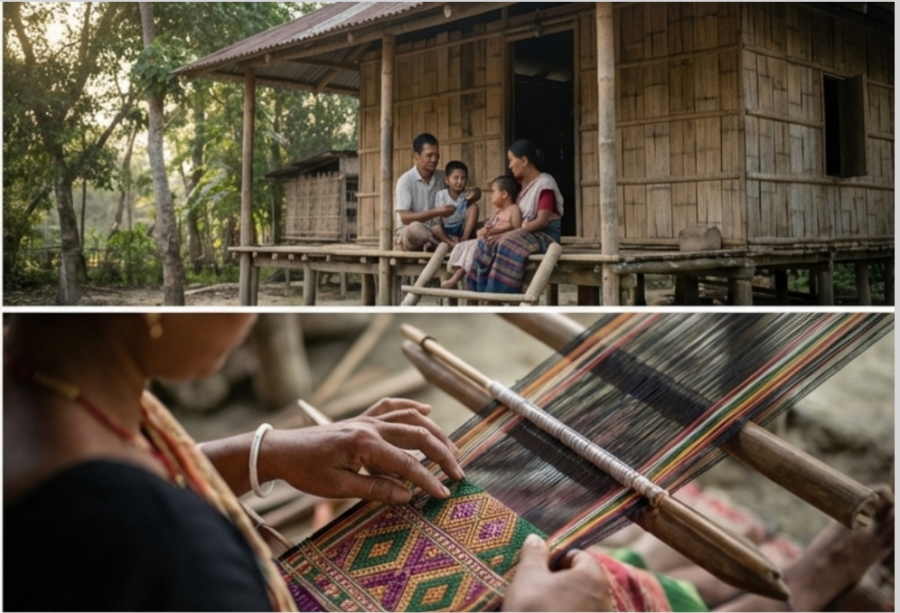
The Mising are oneofAssam’s most significant indigenoustribal communities, with a history and cultureintrinsically linked to the floodplains of the Brahmaputra. Their lives are shaped by the river’s rhythm, evident in their unique stilt-house architecture (chang ghar), their masterful weaving traditions, and a deep, ancestral knowledgeof the localecosystem.

Naga Tribes: Heritage, Craft, and Community Resilience

The Naga tribes are renowned for their craftsmanship, festivals, and strong community governance. Their identity is rooted in forest stewardship and traditional art forms. With changing economic realities affecting rural livelihoods, our work helps strengthen forest-based enterprises and skill development, enabling Naga communities to earn dignified incomes while continuing their heritage of living in balance with nature.

Strengthening Livelihoods for Tripura’s Reang Tribal Communities

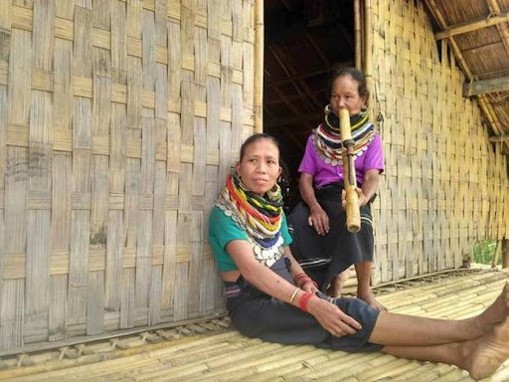
Among Tripura’s oldest tribes, the Reang (Bru) community is known for bamboo craft, music, and rich cultural expressions. Despite their resilience, many families face economic vulnerability and limited access to sustainable livelihoods. Through training and support for Agarwood-based micro-enterprises, we help Reang households gain reliable income opportunities while reinforcing their cultural identity and connection to the forest.

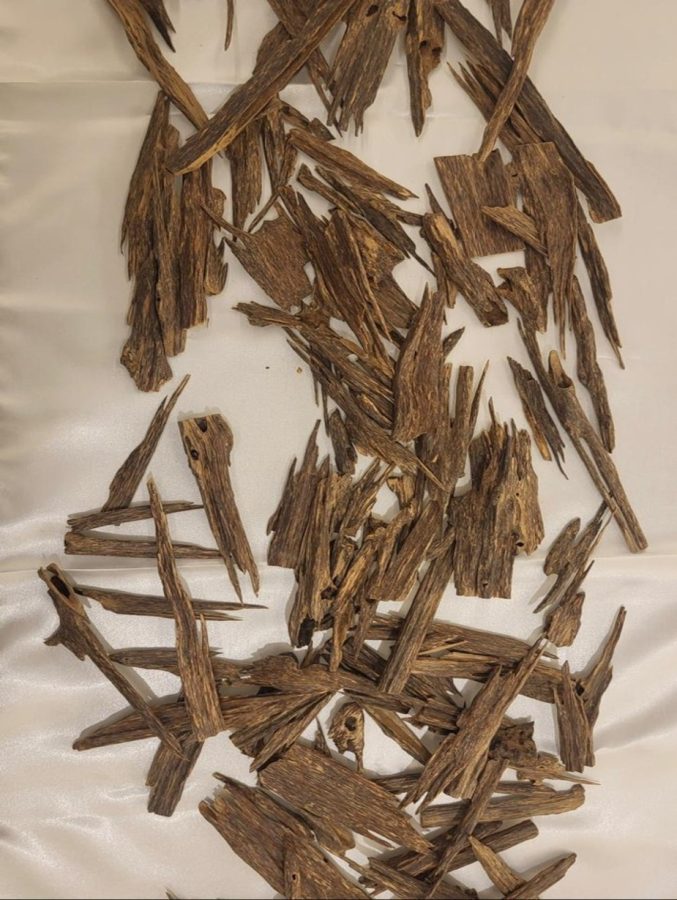
The solution lies within the land itself Agarwood.

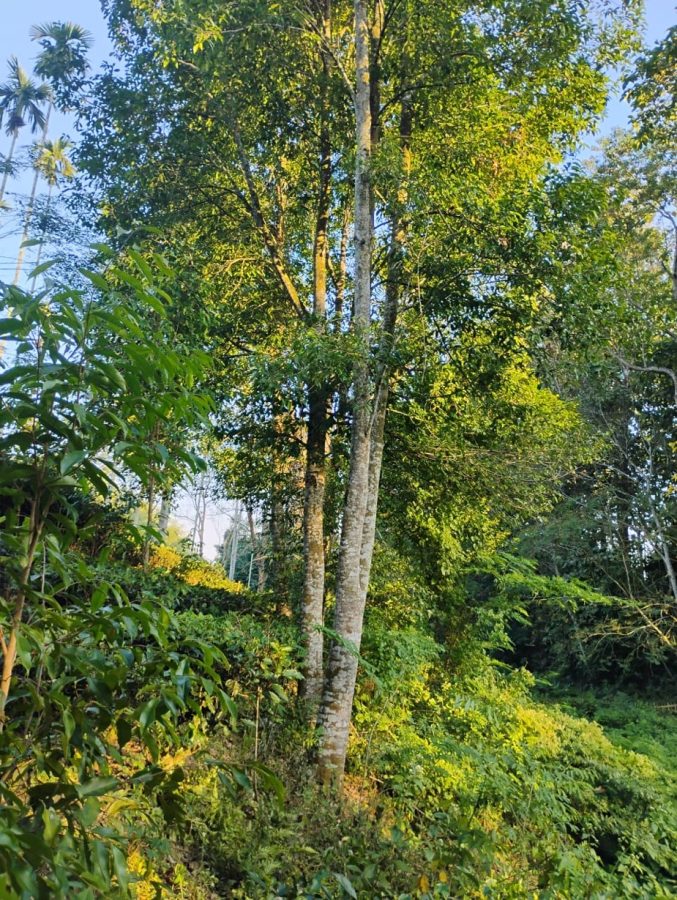
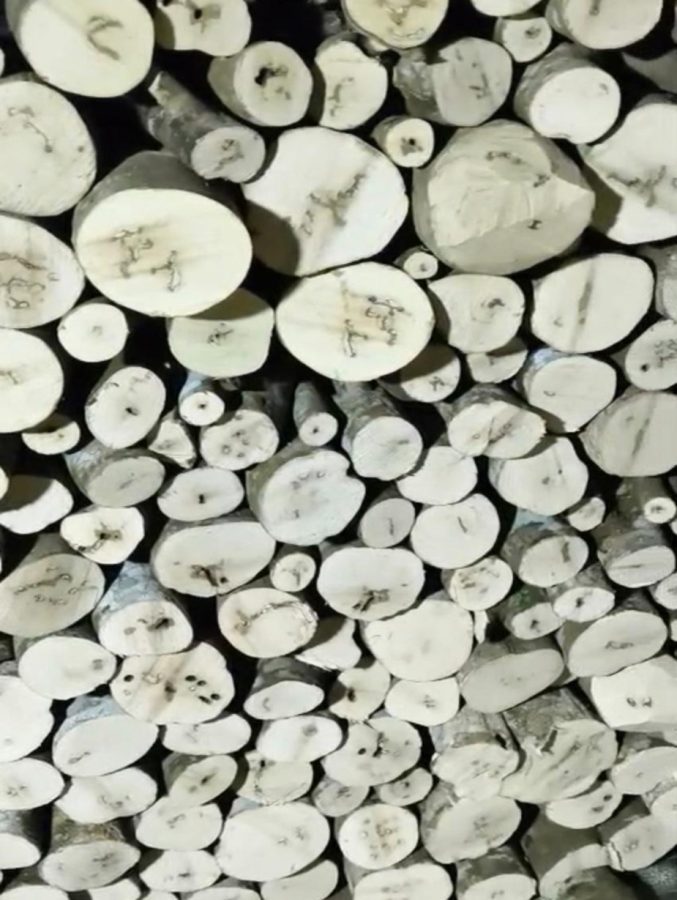
Locally known and historically  revered as the “Wood of the Gods,” Agarwood (Aquilaria malaccensis) is a native tree that produces one of the world’s most valuable aromatic resins.This is not an external solution, but an organic opportunity rooted in the region’s natural heritage-a high-value, low-impact pathway to prosperity.
 

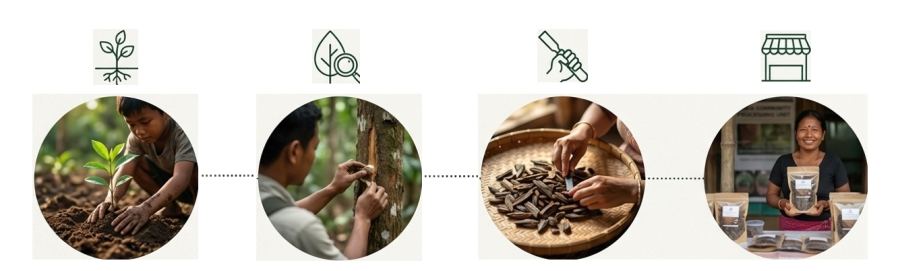
From Forest Wisdom to Economic Prosperity

Cultivate Sustainably

Planting and nurturing Agarwood trees with traditional and eco-friendly methods.

Learn & Harvest

Acquiring skills for sustainable harvesting and natural inoculation techniques.

Hand-Craft Products

Processing raw materials into high-value, artisanal products through skilled craftsmanship.

Earn Stable Income

Gaining access to fair markets and building a secure financial future.

Agarwood saps crocened Agarwood trees-In for community processing unit wants.

We provide training, technology, and market linkages to enable tribal youth and women to build a thriving, nature-based enterprise.