Impact # 1

Economic Empowerment:
Creating a new, sustainable
local economy.

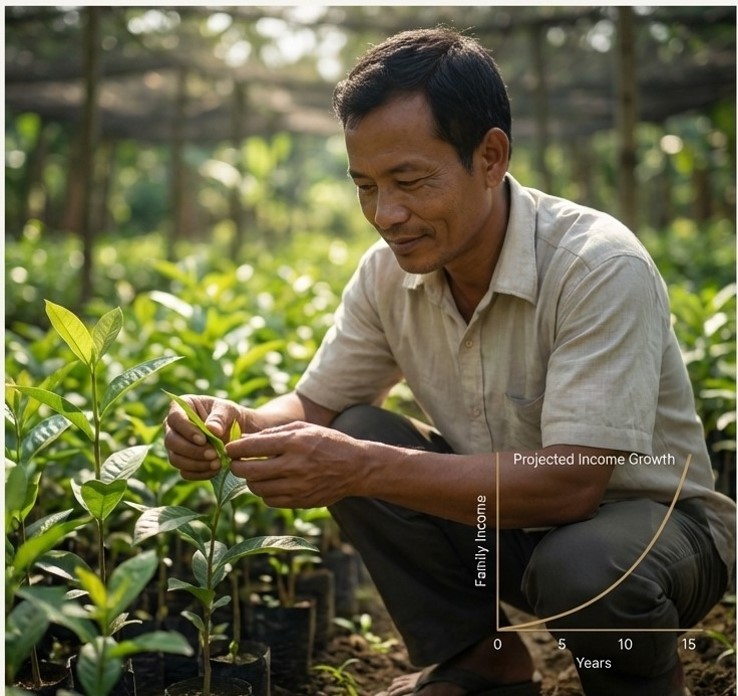
-:-  Diversified Income: A shift from subsistence farming to a multi-layered income stream, reducing vulnerability to crop failure.

-:-  Asset Creation: Each tree represents a significant, growing financial asset for families. A mature tree can be worth over 40,000.

-:-   Local Enterprise: Fosters entrepreneurship through roles in nurseries, processing, and logistics, creating skilled local jobs.

Impact # 2

Ecological Restoration: Rebuilding the forest canopy and restoring biodiversity

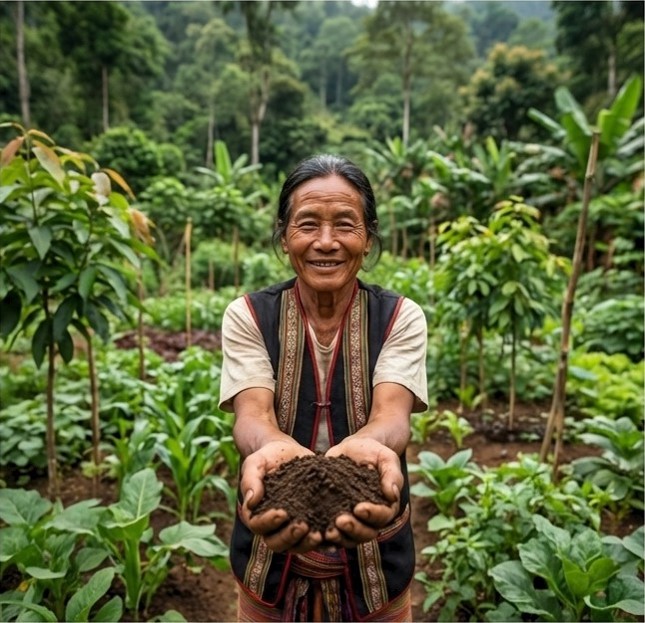
-:-  Reforestation: The cultivation of a native tree species contributes directly to the reforestation of degraded lands.

-:-  Improved soil health: Agroforestry practices enhance soil structure and prevent erosion on the floodplains.

-:-  Biodiversity: Reestablishing tree cover creates habitats for native fauna and supports a healthier and more resilient ecosystem.

Impact # 3

Cultural Preservation: Strengthening community bonds and securing a future for the next generation.

:• lncentivising Return: Creates meaningful, dignified work at home, reducing the pressure for young people to migrate.

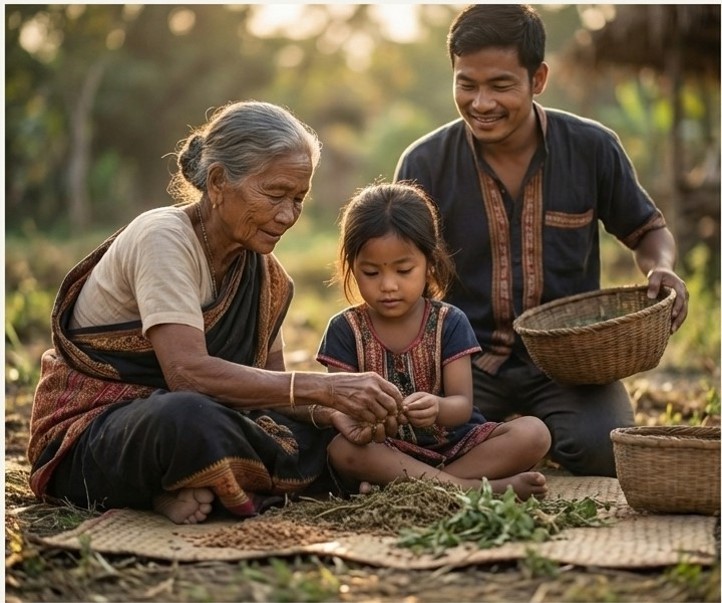
:• Revitalising Knowledge: The model honours and integrates traditional ecological knowledge with modern   sustainable practices.

:• Building Collective Resilience: The co- operative model strengthens social fabric and empowers the community to manage   its own resources and future.